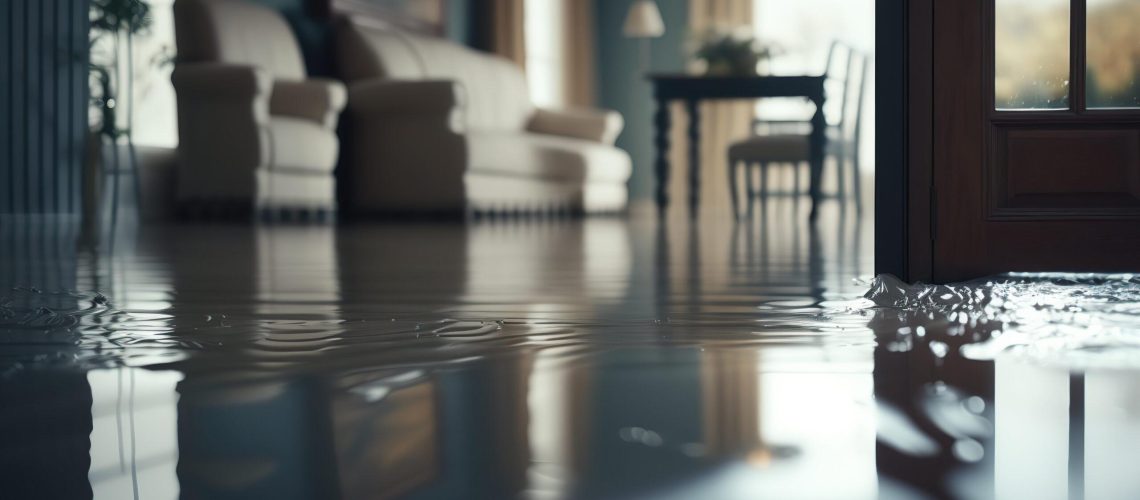
Water damage can strike unexpectedly—from burst pipes and storm flooding to leaking appliances—and the actions you take in the first few hours matter more than anything else. Unfortunately, many homeowners unintentionally make decisions that make water damage worse, increase restoration costs, or even put their families at risk.
At East End Flood & Fire, we respond to emergencies across Long Island every day. We’ve seen firsthand how common mistakes lead to mold growth, hidden moisture issues, and major structural repairs that could have been avoided. That’s why we created this guide outlining the top 10 water damage mistakes every Long Island homeowner must avoid.
Key Takeaways
- Many homeowners unintentionally make water damage mistakes that worsen damage and increase repair costs.
- Knowing what not to do after water damage can save you from mold, structural issues, and insurance complications.
- Avoiding DIY tear-outs, ignoring hidden moisture, and delaying emergency cleanup are some of the most common and costly errors.
- Immediate professional action is essential, especially for fast-response areas like water damage cleanup Long Island NY and emergency water cleanup East Hampton.
- East End Flood & Fire offers professional water extraction, structural drying, and restoration to prevent long-term damage.
Mistake #1: Waiting Too Long to Take Action
Water damage spreads quickly. Within minutes, water can soak into flooring, drywall, and framing. Waiting even a few hours significantly increases:
- Mold growth
- Material deterioration
- Odor contamination
- Structural risk
Delaying cleanup is one of the biggest water damage prevention mistakes homeowners make.
If you suspect water damage, act immediately—even before calling your insurance company.
Mistake #2: Not Stopping the Water Source Immediately
One of the most critical steps is to stop additional water from flowing.
Common oversights include:
- Forgetting to shut off the main water valve
- Not turning off malfunctioning appliances
- Leaving sprinklers or irrigation systems running
Stopping the water source is essential to minimizing damage.
Mistake #3: Entering Flooded Areas Without Ensuring Safety
Safety should always come first. Homeowners often walk into flooded areas without assessing hazards like:
- Electrical shock
- Contaminated water
- Structural instability
- Gas leaks
Standing water mixed with electricity is extremely dangerous.
When in doubt, stay clear until professionals arrive.
Mistake #4: DIY Water Extraction Without Proper Equipment
While homeowners may try to remove water themselves, DIY methods rarely remove enough moisture to prevent damage.
Consumer tools can’t compete with professional-grade equipment used for:
- Water extraction
- Structural drying
- Dehumidification
- Moisture mapping
Attempting DIY cleanup without drying behind walls, under flooring, or in insulation creates long-term hidden water damage risks.
Mistake #5: Throwing Away Damaged Items Before Documenting
Insurance claims require proof. One of the biggest water damage mistakes we see is homeowners discarding items too soon.
Always document:
- Damaged belongings
- Structural issues
- Water levels
- Receipts for repairs
- Affected rooms
Proper documentation prevents claim disputes and ensures accurate compensation.
Mistake #6: Tearing Out Drywall or Flooring Too Soon
Many homeowners try to tear out wet materials immediately. This often leads to:
- Exposing electrical hazards
- Releasing mold spores
- Removing materials that could have been dried
- Interfering with insurance inspections
Professional technicians perform controlled demolition only when necessary and only after moisture inspections.
Mistake #7: Not Checking for Hidden Moisture
Just because surfaces look dry doesn’t mean they are.
Moisture often hides in:
- Wall cavities
- Subflooring
- Under tile
- Behind baseboards
- Inside insulation
These areas are the source of most mold growth after water damage.
Our team uses thermal cameras and moisture meters to detect invisible moisture sources.
Mistake #8: Ignoring Signs of Mold
Mold begins growing in as little as 24–48 hours. Ignoring early signs is one of the most dangerous things to avoid after a flood.
Signs include:
- Musty odors
- Discoloration
- Soft drywall
- Allergy symptoms
- Visible spots or patterns
Mold spreads fast and may require full remediation if left untreated.
Mistake #9: Not Calling a Professional Water Damage Company
Hiring a restoration professional isn’t just about cleanup. It’s about preventing long-term issues and ensuring your home is safe.
Professional services include:
- Emergency water extraction
- Structural drying
- Sanitization
- Debris removal
- Reconstruction
- Insurance documentation support
We are proud to be trusted Long Island water damage experts, serving East Hampton, Southampton, Montauk, Riverhead, and the surrounding areas.
Mistake #10: Assuming Water Damage Cleanup Is Finished When the Surface Looks Dry
Surface drying is only the beginning.
Many homeowners believe cleanup is complete when the flooring “feels dry,” but moisture trapped beneath the surface continues causing damage, including:
- Mold growth
- Odors
- Material breakdown
- Structural instability
- Long-term restoration expenses
Professional structural drying ensures your home is thoroughly and safely restored.
Why Avoiding These Water Damage Mistakes Matters
Making the wrong decisions early on can dramatically increase restoration costs and create long-term hazards. By knowing what not to do after water damage, homeowners can:
- Protect their home
- Avoid mold contamination
- Support smoother insurance claims
- Prevent hidden structural issues
- Reduce cleanup time and financial impact
This is especially important in coastal communities where humidity and weather conditions worsen water-related damage.
Frequently Asked Questions (FAQs)
1. What should I avoid after water damage?
Avoid waiting too long, DIY tear-outs, ignoring safety hazards, and skipping professional inspections.
2. How do homeowners make water damage worse?
By delaying action, failing to document damage, missing hidden moisture, and not hiring professionals immediately.
3. Should I DIY water damage restoration?
Small spills are manageable, but significant water damage requires professional water extraction to prevent mold and structural issues.
4. How quickly can mold grow after water damage?
Mold can begin to grow within 24–48 hours, especially in humid Long Island environments.
5. What is the safest first step after a flood or leak?
Ensure safety, stop the water source, document damage, and call a professional restoration team.
Ready for Professional Water Damage Restoration? Call East End Flood & Fire Restoration Today
When water damage hits, you don’t have time to second-guess the next step, and you don’t have to handle it alone. East End Flood & Fire Restoration is here to jump in fast, protect your home, and make the entire process as stress-free as possible. Whether you’re dealing with a sudden leak, a flooded basement, or lingering moisture you’re not sure how to manage, our team has the experience and equipment to get everything back to normal. If you want the job done right the first time, reach out today and let us help restore your home with confidence and care.