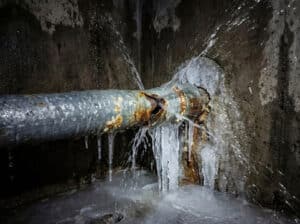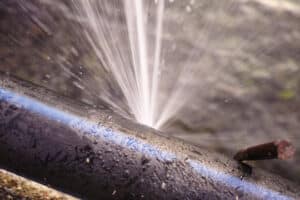
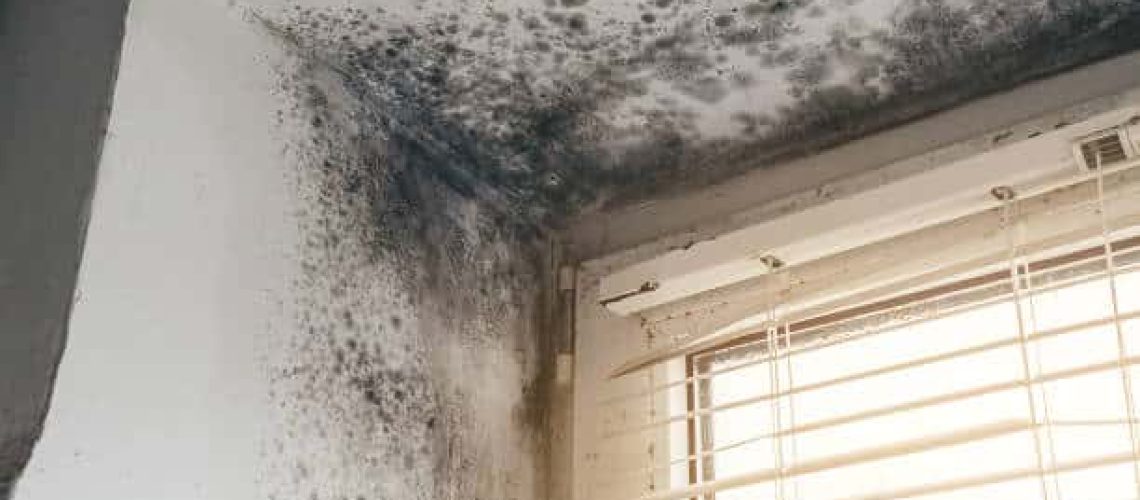
Water damage can happen suddenly, but the consequences often unfold quickly. One of the biggest concerns homeowners face is mold growth after water damage.
At East End Flood & Fire Restoration, we frequently help East Hampton homeowners deal with mold that develops faster than expected. So, how quickly does mold grow after water damage? The answer may surprise you.
Key Takeaways
- Mold can begin growing within 24 to 48 hours after water damage.
- High humidity and trapped moisture accelerate mold growth.
- Hidden mold often develops behind walls and under flooring.
- Immediate water mitigation reduces mold risk significantly.
- Professional mold remediation is essential for safe removal.
How Fast Can Mold Start Growing After Water Damage?
Mold growth can begin quickly. In fact, mold spores exist naturally in the air and only need moisture and organic material to grow. Once water damage occurs, these spores can activate quickly and begin spreading.
Typically, mold can start forming within 24 hours and become visible within 48 to 72 hours. This timeline depends on indoor environmental conditions such as humidity levels, temperature, and airflow. Homes in East Hampton and the Hamptons are especially vulnerable due to coastal moisture.
Given this tight timeline, immediate water damage restoration is critical. If you delay action, mold contamination levels can increase, leading to more expensive repairs.
What Factors Affect Mold Growth Speed?
While mold can grow quickly, several factors influence how fast it spreads. Understanding these factors helps homeowners take preventive action.
First, moisture levels play the biggest role. Standing water, damp drywall, and soaked insulation create ideal conditions for microbial growth. Second, humidity control is essential. High indoor humidity accelerates the spread of mold spores throughout the home.
Additionally, the material type matters. Porous materials like wood, drywall, and carpeting readily absorb water, allowing mold to grow faster. Poor ventilation and lack of airflow also trap moisture, increasing the risk of hidden mold behind walls.
At East End Flood & Fire Restoration, we use advanced moisture detection and drying equipment to eliminate these risks during the water mitigation process.
🚨 STOP MOLD BEFORE IT STARTS
Where Does Mold Grow First After Water Damage?
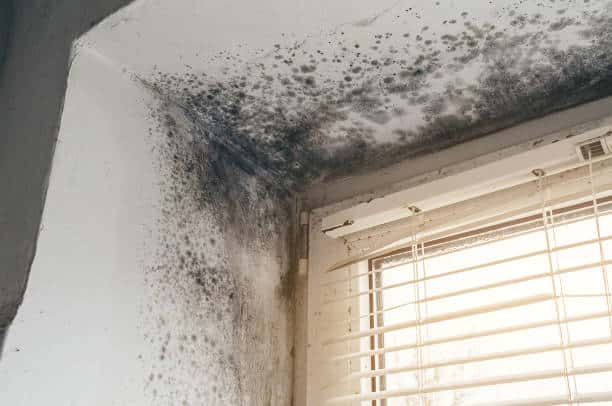
Mold does not always appear in obvious places. In many cases, it develops in hidden areas before becoming visible. That is why professional inspection is essential after flooding or leaks.
Common areas where mold grows first include:
- Behind drywall and baseboards
- Underflooring and carpets
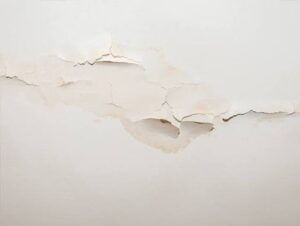
- Inside ceilings after leaks
- Crawlspaces and basements
- Around HVAC systems
Homes in Southampton, Montauk, and Sag Harbor often experience basement flooding, which increases the risk of mold after water damage. Even small leaks can lead to widespread contamination if not addressed properly.
Why Mold Growth Is a Serious Health Risk
Mold is not just a structural issue. It can also impact indoor air quality and overall health. As mold spreads, it releases spores into the air, which can cause respiratory issues and allergic reactions.
Common symptoms include:
- Coughing and sneezing
- Eye and skin irritation
- Headaches
- Worsening asthma symptoms
Black mold after water damage is especially concerning because it can produce harmful toxins. Therefore, professional mold remediation is necessary to ensure complete removal and prevent recurrence.
🦠 SUSPECT MOLD IN YOUR HOME?
How to Prevent Mold After Water Damage
Preventing mold growth starts with fast action. The first 24 hours are the most important window to stop mold from developing. That is why emergency water extraction services are essential.
Here are key steps to prevent mold:
- Remove standing water immediately
- Use air movers and dehumidifiers
- Dry all affected materials thoroughly
- Disinfect contaminated surfaces
- Monitor moisture levels
However, DIY drying methods are often not enough. Professional structural drying ensures that hidden moisture is eliminated. Our team uses industrial drying equipment and moisture mapping tools to prevent mold at its source.
When Should You Call for Mold Remediation in East Hampton?
Many homeowners ask whether mold remediation is necessary after water damage. The answer depends on how quickly the situation is addressed. If water damage is left untreated for more than 24 to 48 hours, mold remediation is often required.
You should call a licensed mold remediation company if:
- You notice a musty odor
- There are visible mold spots
- Water damage was not dried properly
- Indoor humidity remains high
At East End Flood & Fire Restoration, we provide mold remediation services in East Hampton, Southampton, Montauk, and across Suffolk County. Our team follows industry standards to remove mold and restore indoor air quality safely.
How Water Mitigation Helps Stop Mold Growth
Water mitigation plays a critical role in mold prevention. It involves removing water, drying materials, and controlling humidity to prevent mold from developing.
Our process includes:
- Emergency water extraction
- Moisture detection and mapping
- Structural drying using dehumidifiers
- Air circulation with high-powered air movers
This approach not only stops mold growth but also reduces long-term damage. It is especially important in coastal areas like Long Island, where humidity levels remain high.
For a complete overview of the restoration process, check out our guide on 24/7 Emergency Water Damage Restoration in East Hampton.
Final Thoughts: Act Fast to Prevent Mold Growth
Mold growth after water damage happens faster than most homeowners expect. Within just 24 to 48 hours, mold can begin spreading throughout your home. Therefore, taking immediate action is essential.
At East End Flood & Fire Restoration, we help homeowners respond quickly with emergency water damage restoration and professional mold remediation. Our goal is to protect your home, your health, and your investment.
Frequently Asked Questions
1. How quickly does mold grow after water damage?
Mold can begin growing within 24 to 48 hours after water damage. Moisture, warmth, and organic materials create ideal conditions for mold spores to spread rapidly, especially in humid environments like East Hampton.
2. Can mold grow in less than 24 hours?
Yes, mold can start developing within 24 hours if moisture is present. High humidity and poor ventilation can accelerate mold growth, even if water damage seems minor.
3. Where does mold usually grow after water damage?
Mold often grows in hidden areas such as behind walls, under flooring, inside ceilings, and in basements. These areas trap moisture, making them ideal for mold development after flooding or leaks.
4. How can you prevent mold after water damage?
To prevent mold, remove water immediately, dry affected areas within 24 hours, and use dehumidifiers. Professional water mitigation and structural drying are the most effective ways to stop mold growth.
5. Do I need mold remediation after water damage?
You may need mold remediation if water damage was not addressed quickly or if mold is visible. A professional mold remediation company can safely remove mold and prevent it from returning.
Protect Your Home from Mold Today
Water damage will not wait, and mold will not either. The sooner you act, the better your chances of preventing serious damage. Our experienced team is available 24/7 to provide emergency water damage restoration and mold remediation in East Hampton and throughout the Hamptons.
Don’t risk hidden mold or costly repairs. Contact East End Flood & Fire Restoration today for fast, reliable service.
🚨 CALL NOW FOR IMMEDIATE HELP