East End winters can be harsh. Coastal wind, long cold snaps, and homes left empty for weeks all raise the risk of frozen pipes. In many cases, the real damage starts when the ice melts and the pipe bursts.
At East End Flood & Fire Restoration, we handle frozen pipe cleanup in East Hampton every winter. So, we know how fast a small freeze can turn into a flooded ceiling or a soaked floor. In this guide, we’ll explain why older and seasonal homes are at risk, the early warning signs to watch for, and the first steps to take after a pipe bursts. We’ll also cover why fast drying matters for hardwood floors and finishes.
Acting early gives you the best chance of limiting the damage. Therefore, it helps to know what to look for before the first hard freeze arrives.
Key Takeaways
- Older and seasonal homes face higher risk because of aging plumbing, thin insulation, and long stretches with no one home.
- Early warning signs like no water from a faucet or frost on exposed pipes mean a pipe may already be frozen.
- After a pipe bursts, shut off the main water valve, stay safe around electricity, and call a plumber and a restoration team.
- Fast drying matters most for hardwood floors and finishes, which can cup, warp, or stain within days.
- A burst pipe needs a plumber for the repair and a restoration company for water cleanup and drying.
Early Warning Signs Your Pipes Are Frozen
How do you know if your pipes are frozen? Start with the faucets. The signs of frozen pipes are often easy to spot once you know what to check:
- No water coming from the faucet, or only a slow trickle
- Frost on exposed pipes in basements, crawl spaces, or garages
- A bulge or visible crack in a pipe
- Strange smells coming from a drain
- Gurgling or banging sounds when you run water
If you notice any of these early warning signs during cold weather, act right away. A frozen pipe can split before you ever see a leak.
First Steps to Take Right Away
What should you do first if your pipes freeze? Follow these steps in order:
- Shut off the main water shutoff valve to stop water from flowing into the frozen section
- Open the faucets connected to the frozen pipe so melting ice has somewhere to go
- Keep the heat on and open cabinet doors under sinks to let warm air reach the pipes
- Check for leaks, wet spots, or sagging ceilings
- Call for help if you can’t find or reach the frozen section
Should you turn off the water if pipes are frozen? Yes. Shutting off the water early is the single best way to limit damage if the pipe splits.
Frozen Pipes or Water Damage in East Hampton?
Call East End Flood & Fire Restoration for 24/7 emergency response.
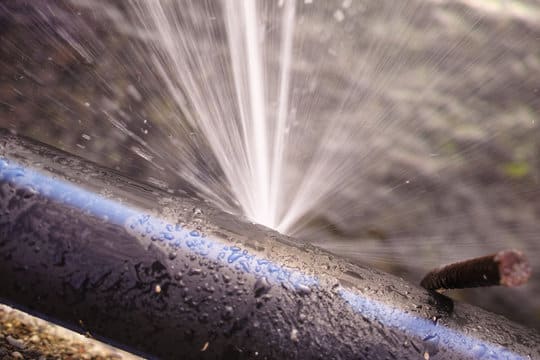
How to Thaw Frozen Pipes Safely (and What Not to Do)
Is it safe to thaw frozen pipes with a hair dryer? Yes, on a low setting. Keep it moving, and keep it away from standing water. Warm towels and a space heater placed at a safe distance can also help.
However, never use an open flame, a propane torch, or a kerosene heater. These can damage the pipe or start a fire. Thawing a frozen pipe should always be slow and gentle.
If you can’t reach the frozen section, or if you see water leaking, stop. At that point, it’s time to call a professional.
How Long Does It Take for Pipes to Freeze and Burst?
At what temperature do pipes freeze? Water freezes at 32°F. However, pipes in unheated areas like crawl spaces, attics, and exterior walls often freeze once temperatures stay in the low 20s or below for several hours.
How long does it take for pipes to freeze and burst? There’s no single answer. It depends on temperature, wind, and where the pipe sits. For frozen pipes in winter on Long Island, wind off the water can speed things up. Also, the burst often happens as the ice thaws and pressure is released, not while the pipe is frozen.
What Happens When a Frozen Pipe Bursts
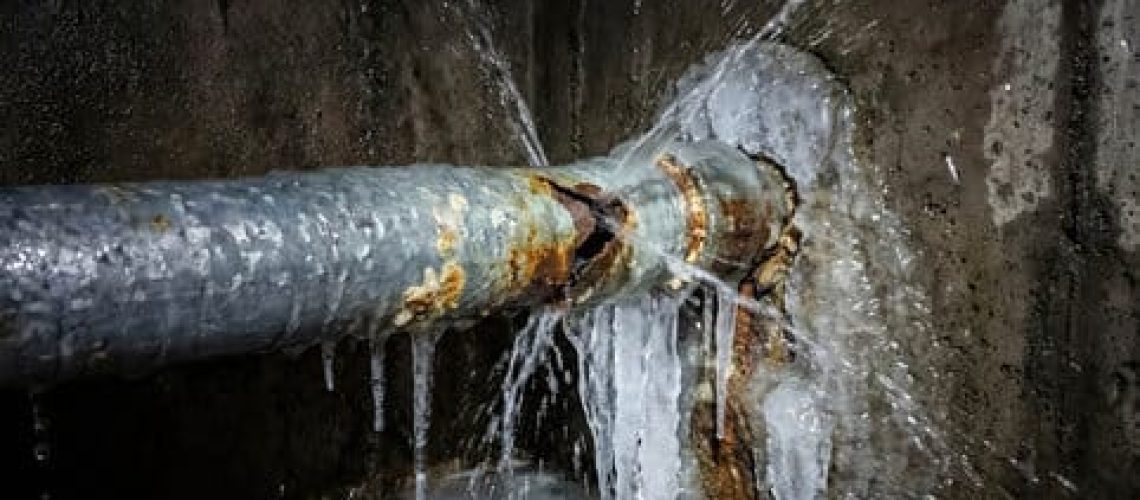
What happens if a frozen pipe bursts in your house? Water can pour out quickly, often at full pressure. As a result, burst pipe water damage can spread through floors, walls, and ceilings within minutes.
Ceiling and wall water damage is especially common, since pipes often run through these spaces. Moisture soaks into drywall, insulation, and framing. Meanwhile, hidden water keeps spreading until it’s removed and the area is dried.
Burst Pipe Right Now?
Request emergency frozen pipe cleanup in East Hampton from our certified team.
First Steps After a Pipe Bursts
If a pipe has already burst, speed matters. Follow these steps:
- Shut off the main water valve right away
- Turn off power to the affected area at the breaker, but only if you can reach the panel safely without standing in water
- Move furniture, rugs, and valuables out of the wet area
- Take photos and video of the damage before cleanup begins
- Call a plumber for the repair and a restoration company for water removal and drying
- Don’t wait for the water to dry on its own
If water is near outlets, light fixtures, or a sagging ceiling, stay out of the area and call for help. Safety always comes first.
Why Fast Drying Matters for Hardwood and Finishes
Hardwood floors absorb water quickly. As moisture soaks in, boards can swell, cup, or buckle. The longer they stay wet, the lower the chance of saving them.
Finishes are at risk too. Water can lift paint, bubble wallpaper, and stain trim. It can also swell cabinets, baseboards, and doors. In addition, moisture trapped under flooring can lead to mold.
That’s why fast drying matters. Professional drying equipment pulls moisture out of the wood and the subfloor before permanent damage sets in. In many cases, starting within the first 24 to 48 hours gives hardwood the best chance of being saved.
Speed matters even more in homes with custom millwork or high-end finishes. Replacement can be costly, and matching the original look is often difficult.
Frozen Pipe Cleanup in East Hampton: What the Process Looks Like
Fast burst pipe cleanup in East Hampton limits damage and lowers the risk of mold. Here’s how our team handles it through our Water Damage Restoration services:
- Extract standing water with professional pumps and vacuums
- Map moisture in walls, floors, and ceilings with moisture meters
- Remove materials that can’t be saved, like saturated insulation
- Dry the structure with air movers and dehumidifiers
- Document the damage and the drying process for your insurance claim
Our structural drying process is the key step. It pulls moisture out of materials you can’t see, so hidden dampness doesn’t turn into a bigger problem later.
Can frozen pipes cause mold? Yes, if the water isn’t dried out quickly. Mold can start growing in damp materials within a day or two. For more detail, see our guide, Dehumidification 101: Why Mold Can Still Grow After Your House Is Dried.
Whether it’s a single room or a whole floor, our team provides emergency water damage response across Long Island and the East End, 24 hours a day.
Plumber or Restoration Company: Who to Call First
Who do you call for a burst pipe, a plumber or a restoration company? Call both, and call them quickly. The two jobs are different.
- A plumber handles frozen pipe repair, including fixing or replacing the damaged section
- A restoration company removes the water, dries the structure, and documents the damage
In the emergency plumber vs. water damage restoration question, the answer isn’t either-or. Drying should start as soon as the water is stopped. Otherwise, moisture keeps settling into your walls and floors while you wait.
Why Older and Seasonal Homes Are at Risk
Older homes often have original plumbing, thinner insulation, and pipes that run through exterior walls, attics, and crawl spaces. These areas get cold first. In addition, aging pipes can be more brittle and more likely to split under pressure.
Seasonal homes face a different problem. The Hamptons have many second homes. When these homes sit empty in winter, a frozen pipe can go unnoticed for days. A thermostat failure or power outage can make it worse.
Many East End homes are both older and seasonal, which raises the risk even more. Therefore, vacant or seasonal home winterization is worth the effort. Winterizing second homes in the Hamptons usually means draining water lines, setting the heat to a safe minimum, and having someone check the property regularly. A plumber can advise on the right approach for your home.
How to Prevent Frozen Pipes
A few simple steps can lower your risk:
- Add pipe insulation to exposed pipes in basements, crawl spaces, and garages
- Seal drafts near pipes with caulk or foam
- Keep your thermostat set to a safe temperature, even when you’re away
- Let faucets drip slightly during extreme cold
- Open cabinet doors under sinks on cold nights
Does Insurance Cover Frozen Pipe Damage?
Does homeowners insurance cover frozen pipe damage? Often, yes, when the damage is sudden and accidental. However, coverage can be limited if the home was vacant or the heat was off. Policies vary, so review yours carefully.
Documenting the damage early makes a real difference. For more on what to expect, read our guide on Water Damage Insurance Claims in New York. Our team also provides documentation to support your claim.
Frequently Asked Questions
How do you know if your pipes are frozen?
Common signs include no water or only a trickle from a faucet, frost on exposed pipes, and strange odors from drains. A pipe may also bulge or make odd sounds. If you notice these signs during freezing weather, shut off the main water valve and call for help.
What should you do first if your pipes freeze?
Shut off the main water valve first. Then open the affected faucets, keep the heat on, and check for leaks. If a pipe has burst, call a plumber for the repair and a restoration company to handle water cleanup and drying.
Is it safe to thaw frozen pipes with a hair dryer?
Yes, a hair dryer on a low setting is a safer option, as long as you keep it moving and away from standing water. Never use an open flame. If you cannot reach the frozen section, stop and call a professional.
Who do you call for a burst pipe, a plumber or a restoration company?
Call both. A plumber repairs the pipe, while a restoration company removes the water, dries the structure, and documents the damage. Starting drying quickly helps prevent mold and limits the spread of moisture into walls and floors.
Does homeowners insurance cover frozen pipe damage?
Often, yes, when the damage is sudden and accidental, like a burst pipe. Coverage may be limited if the home was vacant or heat was off. Document the damage before cleanup begins and review your policy for specific conditions.
The Bottom Line
Frozen pipes are easier to handle when you catch them early. Watch for the warning signs, shut off the water fast, and call for help before a freeze becomes a flood.
If a pipe has already burst, our certified team is ready to respond day or night.
Frozen Pipe Emergency in East Hampton? We're On Call.
A frozen pipe can turn into a flooded home in minutes. East End Flood & Fire Restoration’s certified team provides frozen pipe cleanup in East Hampton, from water extraction to full structural drying, with documentation to support your insurance claim. Contact us today to schedule an assessment, or visit eastendfloodfire.com to explore our full range of restoration services.
Protect Your Home and Your Claim
Contact East End Flood & Fire Restoration for a free assessment after a burst pipe.