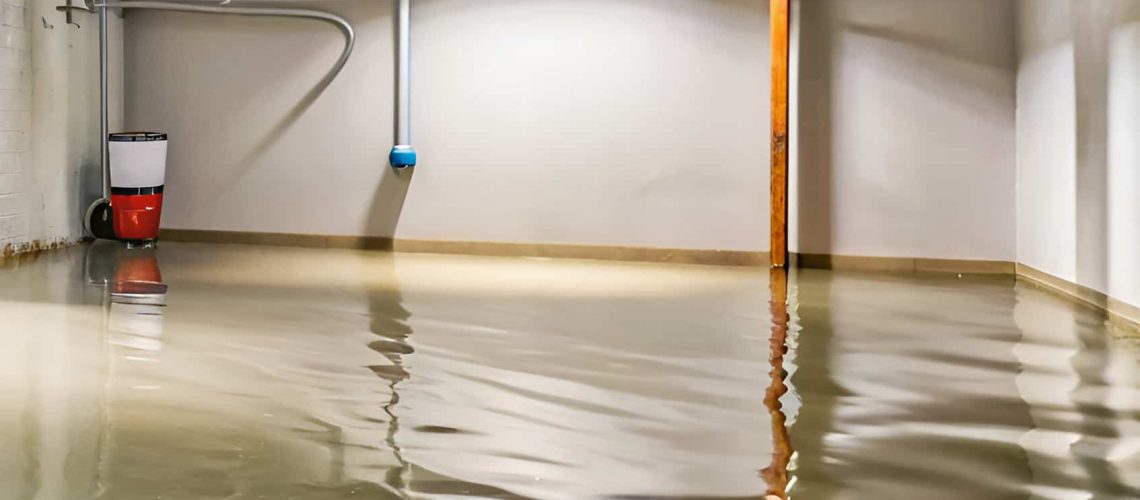
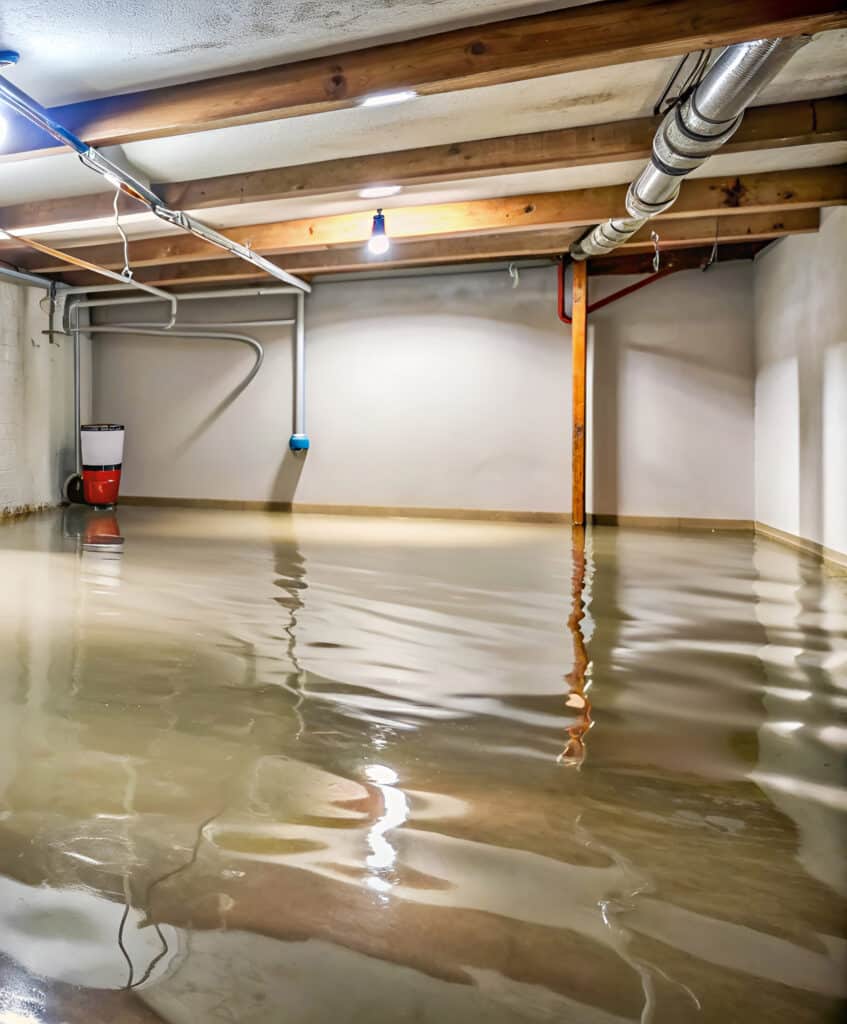
Basement Flooding in East Hampton is a common concern for homeowners, especially during periods of heavy rain, coastal storms, and seasonal weather changes. While a flooded basement may seem like a temporary inconvenience, it can quickly lead to structural damage, mold growth, and expensive repairs if left untreated.
At East End Flood & Fire Restoration, we have helped countless homeowners recover from basement flooding and prevent future incidents. Understanding the causes of basement flooding and taking proactive steps can help protect your property and avoid costly water damage restoration services.
Key Takeaways
- Heavy rainfall, poor drainage, foundation cracks, and sump pump failure often cause basement flooding in East Hampton.
- Flooded basements can lead to mold growth, structural damage, and indoor air quality issues.
- Preventive maintenance can significantly reduce the risk of basement flooding.
- Fast water extraction and structural drying are critical after a flood.
- Professional water damage restoration can help protect your home and prevent long-term issues.
Why Basement Flooding Is Common in East Hampton?
Basement flooding is more common in East Hampton than many homeowners realize. The area’s coastal location, changing weather patterns, and occasional severe storms create conditions that can overwhelm drainage systems and allow water to enter homes.
Additionally, many homes throughout East Hampton, Southampton, Montauk, and Sag Harbor have basements that sit below the water table. During heavy rain events, groundwater intrusion can occur when hydrostatic pressure builds around the foundation.
As a result, even homes that have never experienced flooding before can suddenly develop water intrusion issues. Understanding the local factors contributing to basement flooding is the first step toward protecting your property.
The Most Common Causes of Basement Flooding
Several factors can contribute to basement flooding in East Hampton. While every situation is unique, certain causes appear more frequently than others.
Heavy rainfall is one of the leading contributors. When the ground becomes saturated, excess water can seep through cracks in the foundation and weak points in basement walls.
Another common issue is sump pump failure. Homeowners often rely on sump pumps to remove excess water, but if the system malfunctions during a storm, flooding can occur quickly.
Additional causes include:
- Foundation cracks
- Poor yard grading
- Clogged gutters and downspouts
- Sewer backups
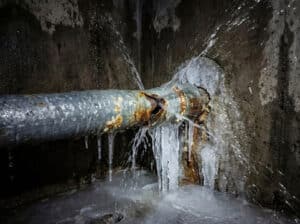
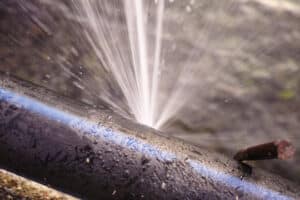
- Burst pipes
- Aging drainage systems
- Groundwater intrusion
When these issues occur simultaneously during a major storm, the risk of severe basement flooding increases significantly.
🚨 FLOODED BASEMENT? GET HELP NOW
Warning Signs Your Basement Is at Risk
Many homeowners assume flooding happens without warning. However, there are often early signs that indicate a basement may be vulnerable to water intrusion.
Paying attention to these warning signs can help you take preventive action before significant damage occurs.
Common warning signs include:
- Water stains on the basement walls
- Musty odors
- High humidity levels
- Visible mold growth
- Cracks in foundation walls
- Standing water after rain
- Damp carpeting or flooring
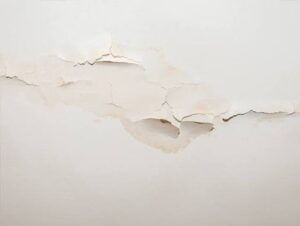
- Peeling paint on basement surfaces
These symptoms often indicate underlying moisture problems. Left unresolved, they can lead to mold after basement flooding and serious structural concerns.
If you notice any of these issues, it may be helpful to read our article, “Structural Water Damage Signs: How to Spot Hidden Damage,” to understand better the risks associated with hidden moisture.
How to Prevent Basement Flooding
Preventing basement flooding is often much easier and less expensive than dealing with flood damage after it occurs. Fortunately, there are several practical steps homeowners can take to reduce risk.
First, maintain your gutters and downspouts regularly. Clogged gutters can cause water to pool near the foundation, increasing the likelihood of seepage.
Second, inspect your foundation for cracks. Even small cracks can allow significant amounts of water to enter during periods of heavy rain.
Other effective basement flood prevention strategies include:
- Installing a backup sump pump
- Improving yard grading
- Waterproofing basement walls
- Installing a backwater valve
- Cleaning drainage systems annually
- Monitoring groundwater levels
- Using dehumidifiers for moisture control
These preventive measures can dramatically reduce the risk of basement flooding in East Hampton.
Additionally, homeowners should review their insurance policies to understand what protection exists for basement flooding and water damage claims.
💧 PROTECT YOUR HOME BEFORE THE NEXT STORM
What to Do If Your Basement Floods?
Despite preventative efforts, flooding can still occur. When it does, acting quickly is essential to minimize damage.
The priority is safety. Avoid entering flooded areas if electrical hazards may be present. Once it is safe, begin documenting the damage for insurance purposes.
Afterward, contact a professional water damage restoration company to begin water extraction and drying.
The restoration process typically includes:
- Emergency water removal
- Moisture detection and mapping
- Structural drying
- Dehumidification
- Cleaning and sanitization
- Damage assessment
- Restoration and repairs
Fast action is critical because mold can begin growing within 24 to 48 hours after flooding.
For more information, we recommend reading: How Quickly Does Mold Grow After Water Damage?
When to Call a Water Damage Restoration Professional
Some homeowners attempt DIY cleanup after a flooded basement. While removing visible water may seem straightforward, hidden moisture often remains behind walls, under flooring, and within structural materials.
Professional restoration teams use specialized equipment such as:
- Industrial dehumidifiers
- Air movers
- Moisture detection tools
- Thermal imaging cameras
- Water extraction equipment
These tools help identify hidden moisture and prevent secondary damage.
If water remains trapped within structural materials, it can lead to wood rot, weakened foundations, and mold contamination.
At East End Flood & Fire Restoration, our team provides 24/7 emergency water removal, flood damage restoration, and basement water extraction services throughout East Hampton and the surrounding Hamptons communities.
Final Thoughts on Basement Flooding in East Hampton
Basement flooding in East Hampton is a serious issue that can affect any homeowner. From heavy rain and foundation cracks to sump pump failures and groundwater intrusion, there are many potential causes.
Fortunately, proactive maintenance and preventative measures can significantly reduce the risk of flooding. Additionally, acting quickly after a flood can help minimize water damage, prevent mold growth, and reduce restoration costs.
By understanding the warning signs and taking preventative action, homeowners can better protect their properties and avoid long-term damage.
Frequently Asked Questions
What causes basement flooding in East Hampton?
Heavy rainfall, coastal storms, foundation cracks, poor drainage, clogged gutters, sump pump failure, and groundwater intrusion commonly cause basement flooding in East Hampton. These issues allow water to enter the basement and can lead to significant water damage if not addressed quickly.
How can I prevent basement flooding?
You can prevent basement flooding by maintaining gutters, improving yard drainage, sealing foundation cracks, installing a sump pump, and waterproofing basement walls. Regular inspections and preventative maintenance can significantly reduce the risk of water intrusion.
What should I do if my basement floods?
If your basement floods, prioritize safety, avoid electrical hazards, document the damage, and contact a professional water damage restoration company. Fast water extraction and structural drying help prevent mold growth and minimize long-term damage.
Does homeowners' insurance cover basement flooding?
Homeowners' insurance may cover basement flooding if it results from a sudden and accidental event, such as a burst pipe. However, flooding caused by groundwater or natural flooding often requires separate flood insurance coverage. Review your policy for specific details.
How quickly can mold grow after basement flooding?
Mold can begin growing within 24 to 48 hours after basement flooding if moisture is not removed. Prompt water extraction, dehumidification, and professional drying are essential to prevent mold growth and protect indoor air quality.
Protect Your East Hampton Home from Basement Flooding
A flooded basement can quickly turn into a costly and stressful situation. Whether you are dealing with standing water, moisture problems, or storm-related flooding, our experienced team is ready to help.
East End Flood & Fire Restoration provides professional water extraction, structural drying, flood cleanup, and water damage restoration services throughout East Hampton and the Hamptons.
Contact us today for fast, reliable service and peace of mind knowing your home is in expert hands.
🚨 GET 24/7 FLOOD RESTORATION HELP NOW