Wet hardwood floors can look alarming, but appearance alone doesn’t tell the whole story. In many cases, the real question isn’t how bad the damage looks — it’s how quickly you acted.
So, can water damaged hardwood floors be saved? Often, yes. However, the answer depends on timing, the type of water involved, and how deep the moisture reached. At East End Flood & Fire Restoration, we assess flooring like this on nearly every water damage call, and the outcome varies more than most homeowners expect.
In this guide, we’ll walk through the warning signs to watch for, how professionals dry hardwood floors, and how to know when refinishing is enough versus when replacement becomes the smarter choice.
Key Takeaways
- Cupping, crowning, and buckling are the most common signs of water damage on hardwood floors.
- Whether hardwood floors can be saved often depends on how quickly drying begins after the damage occurs.
- Professional water damage restoration uses moisture meters and specialized drying equipment before deciding on repair versus replacement.
- Engineered hardwood and solid hardwood respond differently to water exposure.
- Hidden subfloor damage and mold risk matter just as much as the visible condition of the floor.
Signs of Water Damage on Hardwood Floors
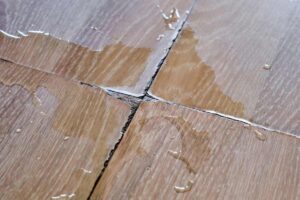
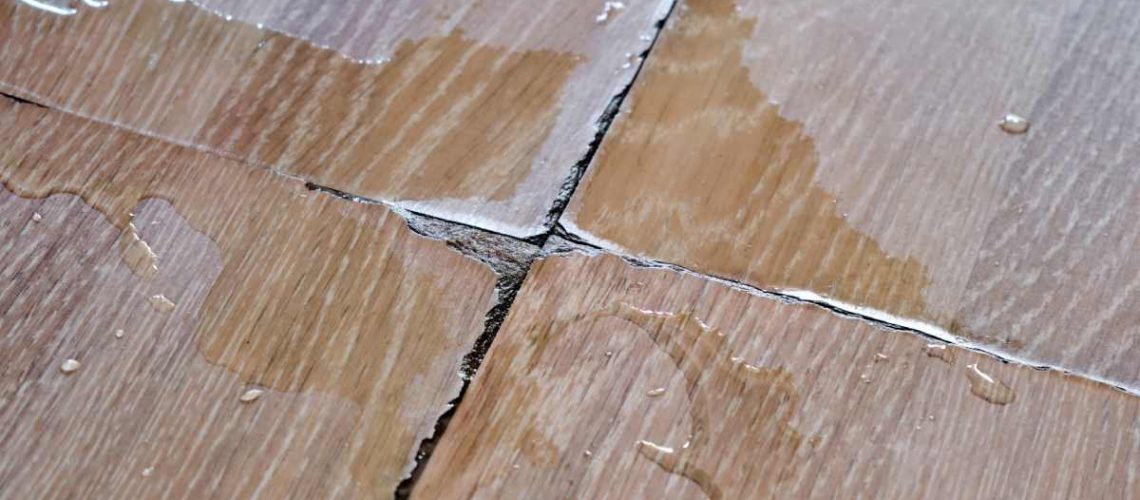
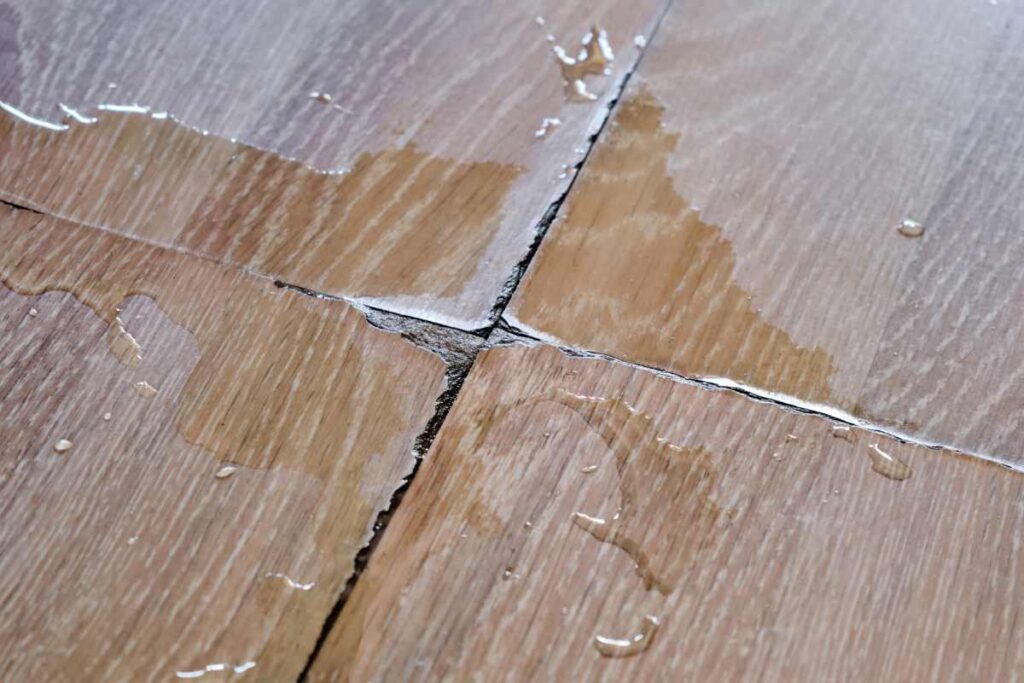
So, how do you know if hardwood floors are ruined by water? A few visual clues usually show up first:
- Cupping: board edges rise higher than the center
- Crowning: the center of the board rises higher than the edges
- Buckling: boards visibly lift or separate from the subfloor
- Discoloration or dark staining along seams
What does cupping in hardwood floors mean, specifically? It happens when the underside of the board absorbs more moisture than the top, causing the edges to swell and rise. It’s often one of the earliest, most treatable signs of water damage, which is why catching it early matters.
What Determines If Hardwood Floors Can Be Saved?
Three factors matter most: how long the water sat, what type of water was involved, and how quickly drying began.
Clean water addressed within 24 to 48 hours gives floors the best chance of survival. On the other hand, water that sits for days, or water that’s contaminated, significantly lowers the odds. In short, timing often matters more than how bad the damage first appears.
Wondering If Your Floors Can Be Saved?
Get a professional assessment from East End Flood & Fire before you decide on repair or replacement.
How Professionals Dry Water-Damaged Hardwood Floors
How do professionals dry hardwood floors after water damage? The process starts with moisture meter readings to measure how deep the water reached. From there, specialized drying mats and airflow equipment pull moisture out of the wood gradually, without rushing the process.
So, how long does it take for hardwood floors to dry out after water damage? It varies, but drying typically takes several days to a couple of weeks, with moisture levels monitored throughout to confirm the wood has returned to a safe range before any repair work begins.
When Refinishing Is Enough vs. When Replacement Is Necessary
Minor cupping often responds well to sanding and refinishing once the floor is fully dry. Therefore, homeowners can sometimes avoid a full replacement with the right timing and treatment.
Can you refinish warped hardwood floors? In mild cases, yes. However, severe warping, crowning, or buckling usually can’t be corrected through refinishing alone, and the affected boards need to be replaced instead.
Solid Hardwood vs. Engineered Hardwood: Does It Affect Your Odds?
Floor type plays a real role in the outcome. Solid hardwood can typically be sanded and refinished multiple times, which gives it more room for recovery after water exposure.
Engineered hardwood, on the other hand, has a thinner wood veneer layer on top of a composite base. As a result, it tolerates fewer refinishing cycles and is more likely to need replacement after significant water exposure.
Don’t Guess — Get an Expert Opinion First
Request a hardwood floor water damage inspection from our IICRC-certified team.
Hidden Risks: Subfloor Damage and Mold Under Flooring
What happens if you don’t dry hardwood floors properly? Moisture can travel below the surface and settle into the subfloor, where it’s much harder to detect. Left untreated, this creates the right conditions for mold to develop out of sight.
Can mold grow under hardwood floors after water damage? Yes, and it often grows before any surface signs appear. For more on the risks involved, see our related guide, How Quickly Does Mold Grow After Water Damage?
Cost Considerations: Repair vs. Replacement
Is it cheaper to repair or replace water damaged hardwood floors? Generally, repair costs less, but only when damage is limited to the surface. Once subfloor damage or extensive warping enters the picture, replacement often becomes the more practical, cost-effective option in the long run.
Does Insurance Cover Water-Damaged Hardwood Floors?
Coverage usually depends on the cause. A sudden, covered event, like a burst pipe, is typically covered. Gradual leaks or long-term neglect, on the other hand, are often excluded.
Documenting the damage before cleanup begins can make a real difference either way. For step-by-step guidance, see our related post, How to Document Water Damage for Insurance Before Cleanup Begins. You can also review our guide on Water Damage Insurance Claims in New York for what to expect from your insurer.
Frequently Asked Questions
Can water damaged hardwood floors be saved?
Often, yes, if drying begins within 24 to 48 hours. Solid hardwood can typically be sanded and refinished after clean water exposure. However, prolonged saturation, contaminated water, or severe warping usually means replacement is the safer, more cost-effective choice.
How do you know if hardwood floors are ruined by water?
Look for cupping, where board edges rise higher than the center, or crowning, the opposite pattern. Buckling, visible gaps, and dark discoloration are also warning signs. A professional moisture reading confirms how deep the damage actually goes.
Can you refinish warped hardwood floors?
Minor cupping can often be corrected through sanding and refinishing once the floor fully dries. Severe warping, crowning, or buckling usually cannot be refinished and requires replacing the affected boards instead.
Is it cheaper to repair or replace water damaged hardwood floors?
Repair is typically less expensive than full replacement, but only when damage is limited to the surface. Extensive warping, subfloor damage, or contaminated water often make replacement the more cost-effective long-term option.
Does insurance cover water damaged hardwood floors?
Often, yes, if the damage resulted from a sudden, covered event like a burst pipe. Damage from gradual leaks or long-term neglect is typically excluded. Documentation before cleanup begins helps support your claim either way.
The Bottom Line
Whether water damaged hardwood floors can be saved depends far more on timing and moisture depth than on how the floor looks at first glance. Quick action, professional drying, and an honest assessment give you the clearest path forward.
If you’re staring at wet or warped floors right now, don’t guess at the outcome. Our certified team can give you a straight answer, backed by moisture readings, not assumptions.
Get a Clear Answer Before You Spend on Repairs
Don’t replace floors that could be saved, or waste money trying to save floors that can’t. Call us today! East End Flood & Fire Restoration’s certified team can assess your hardwood floors quickly and give you a straight answer on repair versus replacement, backed by moisture readings and documentation for your insurance claim.
Get Documentation That Strengthens Your Claim
Request a professional assessment from East End Flood & Fire Restoration — available 24/7 across the East End.