- (631) 620-2578
- 3 Railroad Ave Suite 207, East Hampton, New York 11937
Sewage Cleanup in East Hampton and Across the Hamptons
When sewage backs up into your home, East End Flood & Fire is available 24 hours a day to clean it up safely and get your home back to normal.
Few things are more upsetting than walking into your basement or bathroom and realizing sewage has backed up into the house. The smell hits first, and then comes the questions about what’s safe to touch, what can be saved, and how fast it can be cleaned up. East End Flood & Fire Restoration provides 24/7 sewage cleanup for homes in East Hampton, Amagansett, Montauk, Sag Harbor, Bridgehampton, Water Mill, Southampton, and across the South Fork, and our IICRC certified team handles every step of the cleanup safely and discreetly.
If sewage has backed up into your home, call us at (631) 620-2578. We’re based on Railroad Avenue in East Hampton, so a local team can be at your door quickly, whether you’re home right now or managing the house from the city.
What to do if sewage backs up into your home
Sewage water carries bacteria and other contaminants, so your first priority is keeping everyone safe. Keep children and pets out of the affected area, and avoid touching the water or anything it has soaked. Stop using sinks, toilets, showers, and the washing machine, since more water going down the drain can push more sewage back into the house. If it’s safe to reach the breaker panel without walking through standing water, turn off power to the affected area.
Please don’t try to clean it up with household cleaners or a shop vacuum. Sewage soaks into porous materials quickly, and improper cleanup can leave contamination behind and spread it to other parts of the home.
Why sewage backups happen in Hamptons homes
Unlike most of the country, the East End runs almost entirely on private wastewater systems. According to the Town of East Hampton, more than 12,500 developed properties in the town still use cesspools and another 6,700 use traditional septic leach fields. When one of these systems fills up, gets overwhelmed, or starts to fail, wastewater has nowhere to go but back into the house, usually through a basement drain, shower, or toilet.
We see backups most often after heavy rain and nor’easters, when saturated ground slows drainage, and during busy summer weekends, when a full house of guests puts far more water through the system than usual. Tree roots, aging pipes, and older cesspools that haven’t been pumped in a while can all play a part too. Seasonal homes are especially vulnerable, since a backup can sit for days before anyone notices it.
How we clean up sewage safely
Protecting your family and the rest of the home
Our technicians arrive with the protective equipment this kind of work requires, and we take the necessary steps to keep contamination from spreading to clean areas of the house while the cleanup is underway.
Removing sewage and contaminated materials
We extract the sewage water and remove materials that can’t be safely cleaned, which usually includes carpet, padding, and the lower portions of drywall that the water reached. Everything is removed carefully and disposed of properly.
Cleaning, disinfecting, and deodorizing
Once the contaminated materials are out, we clean and disinfect the affected surfaces and use professional odor removal equipment so the smell doesn’t linger in your home.
Drying the structure
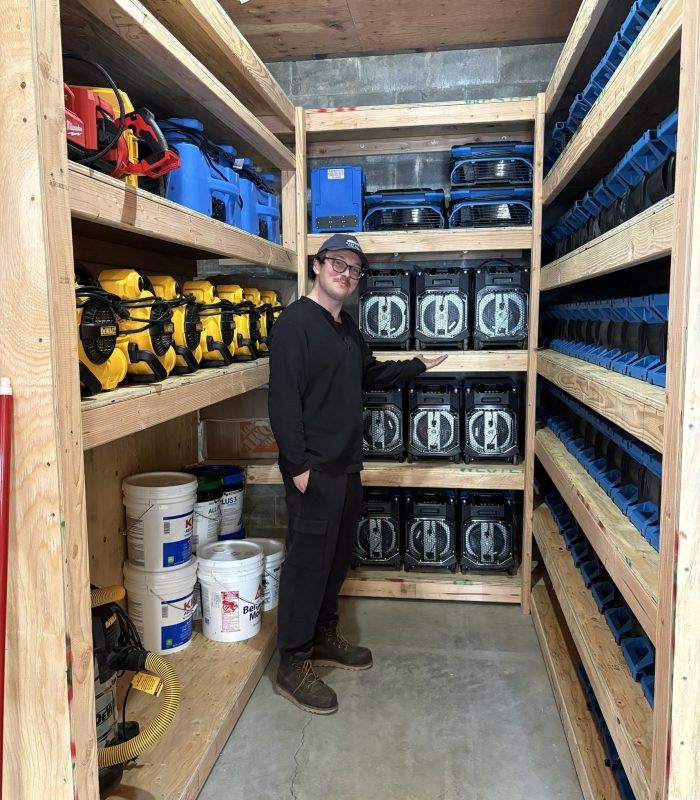
We dry the framing, subfloors, and walls with commercial structural drying equipment to keep mold from taking hold after the cleanup.
Rebuilding what was removed
When the area is clean and dry, our team handles the reconstruction, replacing drywall, flooring, and finishes so your home looks the way it did before, or better.
Dealing with a sewage backup right now? Call (631) 620-2578, and our East Hampton team will be on the way.
When disaster strikes, response time is everything.
Frequently Asked Questions
Is sewage water dangerous?
Yes. Sewage is classified as Category 3 water, the most contaminated type, because it can carry bacteria, viruses, and other harmful contaminants. That's why it's important to stay out of the affected area and leave the cleanup to trained professionals.
Can I clean up a small sewage backup myself?
We don't recommend it. Even a small backup can soak into flooring, drywall, and other porous materials, and household cleaners aren't designed to fully disinfect them. Professional cleanup makes sure the contamination is removed and the area is safe to use again.
What has to be thrown away after a sewage backup?
Porous materials that sewage has soaked into, like carpet, padding, upholstered furniture, and the lower sections of drywall, usually can't be safely cleaned and need to be removed. Hard, non-porous surfaces can often be cleaned and disinfected, and we'll walk you through what can stay and what has to go.
Do I need to leave my home during sewage cleanup?
For smaller backups contained to one area, many families can stay in unaffected parts of the home. For larger sewage incidents, we may recommend temporary relocation for safety reasons, and we'll talk through the best option with you.
Do you work with insurance companies on sewage cleanup?
Yes. We'll work directly with your insurance company and help you document the damage from the first visit.
Why Hamptons homeowners call East End Flood & Fire
East End Flood & Fire Restoration was founded by professionals from high-end residential construction, and our Director of Operations, Ryan Kaplan, has managed complex rebuilds and insurance-driven restorations from Manhattan to Montauk. That background means we clean up the mess and then rebuild your home to the standard it was built to, with the precision, accountability, and white glove service Hamptons homeowners expect.
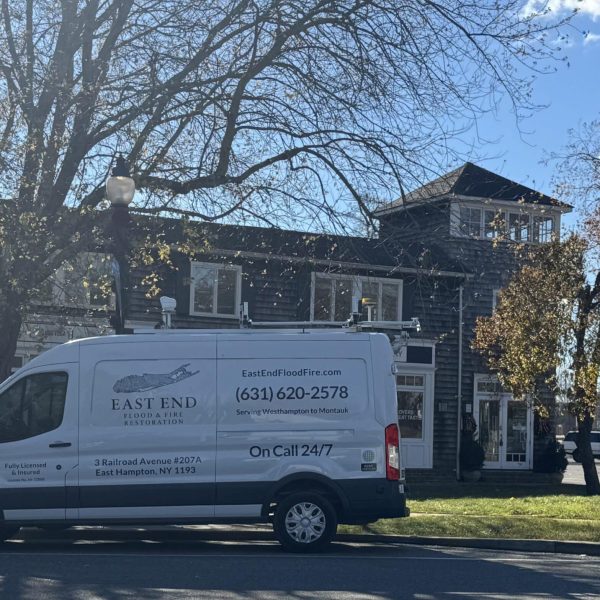
We’re also a part of this community. Our office is in East Hampton, the Hamptons are the only place we call home, and we’re available 24 hours a day, 365 days a year. Customers often mention how quickly we arrive, with some noting that our crew was there within 30 minutes to an hour of their call, and how respectful our team is of their homes. We’re IICRC Certified in water, fire, and mold restoration, fully insured and bonded in New York, and proud of our 5-star rating on Google. We’ll also work directly with your insurance company and help you document the damage.
If you’re away when a backup happens, we can be your team on the ground. We’ll take care of the cleanup and keep you updated along the way, so you don’t have to rush out to the East End to handle it yourself.
Get Your Home Clean, Safe, and Back to Normal
A sewage backup isn’t something you should have to handle on your own. If it’s happened in your home anywhere in the Hamptons, call East End Flood & Fire Restoration at (631) 620-2578, and our East Hampton team will clean it up safely and restore your home, day or night.