A home can look and feel dry within a day or two of a leak or flood. However, that doesn’t always mean the danger has passed.
So, why does mold grow even after a house is dried? In short, drying and dehumidifying aren’t the same thing. At East End Flood & Fire Restoration, we see this misunderstanding often, usually after a homeowner has already run fans for a few days and assumes the job is done.
In this guide, we’ll explain the difference between drying and dehumidifying, what humidity level actually triggers mold, and how professional equipment closes the gap that DIY drying often leaves open.
Key Takeaways
- Drying removes visible water, but dehumidification controls the humidity mold actually needs to grow.
- Mold risk increases once indoor humidity stays above roughly 60% for an extended period, even without standing water.
- A space can look and feel dry while still holding damaging moisture inside walls, subfloors, or framing.
- Professional dehumidification equipment reaches humidity levels that fans and store-bought units typically can’t.
- Skipping proper dehumidification is one of the most common reasons mold appears after a water damage event.
What's the Difference Between Drying and Dehumidifying?
Drying focuses on visible, surface-level water. Dehumidifying, on the other hand, targets the moisture suspended in the air and absorbed into building materials.
Both steps matter. However, drying alone doesn’t lower humidity enough to stop mold from forming. That’s exactly why our structural drying process always includes dehumidification, not just fans and airflow.
What Humidity Level Causes Mold Growth?
So, what humidity level causes mold growth? Mold risk increases once indoor relative humidity stays above roughly 60 percent for an extended period. Keeping humidity between 30 and 50 percent significantly reduces that risk, even after water damage has already occurred.
As a result, monitoring humidity, not just checking for wet surfaces, is the real key to preventing mold.
Not Sure If Your Home Is Actually Dry?
Request a humidity and moisture assessment from East End Flood & Fire Restoration’s certified team.
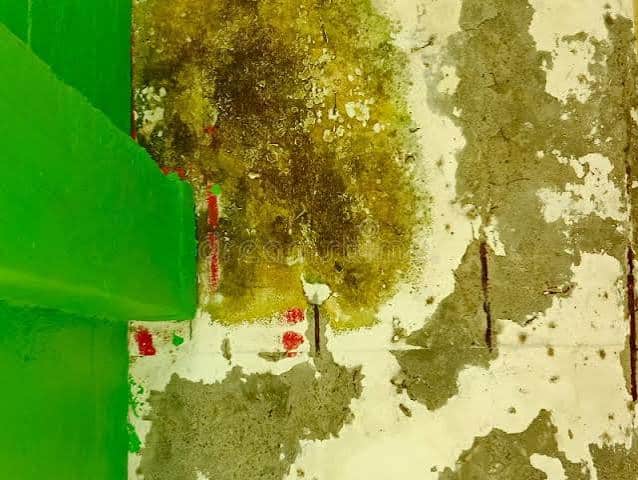
Why "It Looks Dry" Doesn't Mean It's Actually Dry
Moisture often hides where you can’t see it. Walls, subfloors, and framing can hold onto water long after the surface feels dry to the touch.
Can mold grow in “dry” looking areas? Yes. That’s why professionals rely on moisture meters instead of a visual check alone. For more on how quickly this risk develops, see our related guide, How Quickly Does Mold Grow After Water Damage?
How Professionals Use Dehumidifiers Differently Than Homeowners
Is a fan enough to dry out water damage? No. Fans move air and speed up surface drying, but they don’t remove moisture from the air itself.
Professional teams use commercial-grade desiccant and refrigerant dehumidifiers, paired with strategically placed air movers, to pull moisture from both the air and the materials at the same time. This is a core part of the Water Damage Restoration Services we provide across Long Island’s East End.
How Long Should Dehumidification Run After Water Damage?
How long should you run a dehumidifier after water damage? It depends on moisture readings, not a fixed number of days. Professionals monitor humidity and material moisture levels daily, running equipment until readings return to a safe, stable range.
For a broader look at what this process involves, check out our guide, How Long Does Water Damage Restoration Take? A Timeline for Homeowners.
A Box Fan Won’t Cut It
See how East End Flood & Fire Restoration’s professional drying equipment gets the job done right.
Signs You Need Professional Dehumidification Equipment
A few warning signs suggest DIY drying isn’t enough on its own:
- A persistent musty smell that doesn’t go away
- Visible condensation on windows or walls
- Ongoing high humidity readings days after the initial cleanup
- A previous history of mold in the same area
Our technicians follow the ANSI/IICRC S500 standard for structural drying on every job, which is the same framework we cover in our guide on Water Damage Restoration Certifications.
The Connection Between Dehumidification and Mold Prevention
Can high humidity alone cause mold without visible water damage? Yes. Mold only needs moisture in the air and a surface to grow on. That’s why proper dehumidification, not just visible drying, is what actually prevents mold from taking hold.
Frequently Asked Questions
Why does mold grow even after a house is dried?
Drying removes visible water, but it does not always lower humidity enough to stop mold. Moisture can remain trapped inside walls, subfloors, or framing. Without proper dehumidification, that trapped moisture creates ideal conditions for mold to develop.
What humidity level causes mold growth?
Mold risk increases once indoor relative humidity stays above roughly 60 percent for an extended period. Keeping humidity between 30 and 50 percent significantly reduces the chance of mold developing, even after water damage has occurred.
Is a fan enough to dry out water damage?
No. Fans move air and speed up surface drying, but they do not remove moisture from the air itself. Without a dehumidifier, humidity can stay high enough to support mold growth, even after surfaces feel dry to the touch.
How long should you run a dehumidifier after water damage?
It depends on moisture readings, not a fixed number of days. Professionals typically monitor humidity and material moisture levels daily, running equipment until readings return to a safe, stable range throughout the affected area.
Can high humidity alone cause mold without visible water damage?
Yes. Mold only needs moisture in the air and a surface to grow on. Persistently high indoor humidity, even without a leak or flood, can be enough to trigger mold growth in bathrooms, basements, and other poorly ventilated spaces.
The Bottom Line
Drying and dehumidifying are two different steps, and skipping the second one is often exactly why mold shows up weeks after the water is gone. Humidity control, not just visible dryness, is what actually keeps mold away.
If you’re unsure whether your home is truly dry, don’t guess. East End Flood & Fire Restoration’s certified team can check for you.
Don't Let Hidden Humidity Undo Your Cleanup
Don’t replace floors that could be saved, or waste money trying to save floors that can’t. Call us today! East End Flood & Fire Restoration’s certified team can assess your hardwood floors quickly and give you a straight answer on repair versus replacement, backed by moisture readings and documentation for your insurance claim.
Stop Mold Before It Starts
Schedule professional dehumidification with East End Flood & Fire Restoration.