Drywall behaves very differently from other materials when it gets wet. Unlike hardwood or tile, it doesn’t just need to dry out. Often, it needs a much closer look.
So, can water damaged drywall be saved? Sometimes, yes. However, the answer depends on the water source, how long it sat, and how deep the moisture traveled. At East End Flood & Fire Restoration, we make this call on nearly every job, and knowing the difference between salvageable and “must go” can save homeowners real time and money.
In this guide, we’ll cover what actually happens to wet drywall, the warning signs to watch for, and how to know when drying is enough versus when replacement is the safer call.
Key Takeaways
- Drywall absorbs water quickly and doesn’t dry the way wood or tile does, which limits how often it can be saved.
- Sagging, bubbling, and soft spots are signs drywall has already failed structurally.
- Whether water damaged drywall can be saved depends on water category, how long it sat, and how much moisture it absorbed.
- Drywall is a common hiding spot for mold, since moisture can travel behind it out of sight.
- Professional restoration often use a “flood cut” to remove only the damaged section, saving the rest of the wall.
What Happens to Drywall When It Gets Wet?
Drywall is made from gypsum board, a material that absorbs water quickly and holds onto it. Unlike solid wood, it doesn’t simply dry back to its original shape once it’s saturated.
As a result, even a short period of water exposure can weaken the internal structure of the board, long before any damage becomes visible on the surface.
Signs of Water Damage on Drywall
So, what does water damaged drywall look like? A few common warning signs include:
- Sagging or bulging sections along the wall or ceiling
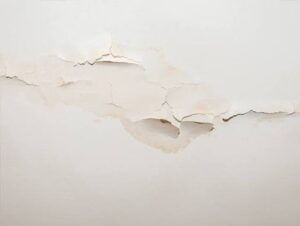
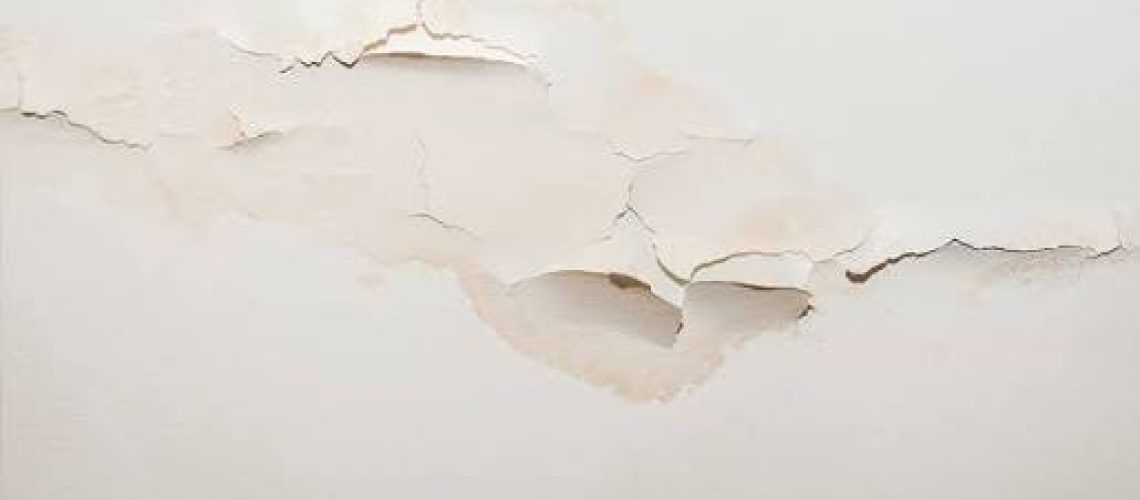
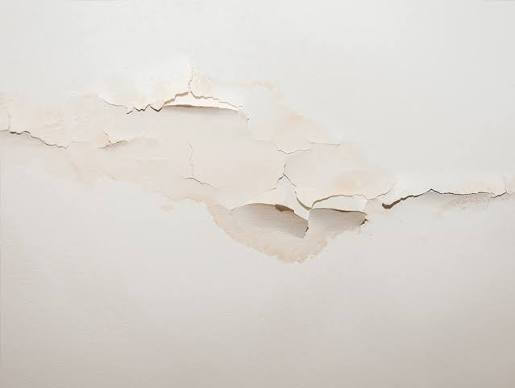
- Bubbling or peeling paint
- Yellow or brown discoloration
- Soft spots that give way when pressed
- Tape or seam failure along drywall joints
If you notice any of these signs, it’s worth having the area assessed before deciding on next steps.
Not Sure If Your Drywall Can Be Saved?
Get a professional drywall assessment from East End Flood & Fire Restoration’s certified team.
Can Water Damaged Drywall Be Saved?
The deciding factors usually come down to three things: the type of water involved, how long it sat, and how much of the panel absorbed moisture.
Can you dry out drywall without removing it? In some cases, yes, especially with clean water and quick response. However, once drywall becomes saturated or exposed to contaminated water, drying alone usually isn’t enough to restore it safely.
How Long Does It Take for Wet Drywall to Dry Out?
How long does it take for wet drywall to dry out? It depends on moisture meter readings, not a fixed timeline. Drying can take anywhere from a few days to over a week, depending on humidity, airflow, and how deep the moisture traveled into the material.
Why Drywall Is a High-Risk Area for Mold
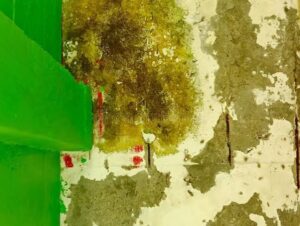
Does wet drywall always grow mold? Not always, but the risk is high. Moisture often travels behind drywall and into the insulation, creating conditions mold needs to grow, well out of sight.
Is water damaged drywall dangerous? It can be, particularly once mold takes hold. For more on how humidity affects this risk, see our related guide, Dehumidification 101: Why Mold Can Still Grow After Your House Is Dried.
Worried About Mold Behind Your Walls?
Schedule a moisture and mold inspection with East End Flood & Fire Restoration.
The "Flood Cut" Method: How Professionals Remove Damaged Drywall
How much drywall should be cut out after water damage? Professionals often use a technique called a flood cut, removing drywall a set distance above the visible waterline, typically 12 to 18 inches. This ensures no hidden moisture or damage is left behind the wall.
This approach protects the rest of the wall while making sure nothing damaged gets left in place. It’s a core part of our Water Damage Restoration Services, and it’s exactly why a professional cut looks so different from a quick DIY patch job.
When to Replace vs. When Drying Is Enough
Minor water stains from a one-time event, like a brief overflow, may only need drying and repainting. On the other hand, sagging, prolonged saturation, or exposure to contaminated water usually calls for replacement.
Can you paint over water stained drywall? Only after the drywall is fully dry and the source of the leak has been fixed. Painting over a stain without addressing the moisture underneath just hides the problem, and it often resurfaces later.
Does Insurance Cover Drywall Water Damage?
Coverage usually depends on the cause. A sudden, covered event, like a burst pipe, is typically covered. Gradual leaks or long-term neglect, on the other hand, are often excluded.
Documenting the damage before cleanup begins can make a real difference either way. For step-by-step guidance, see our related post, How to Document Water Damage for Insurance Before Cleanup Begins.
Frequently Asked Questions
Can water damaged drywall be saved?
Sometimes, if the water was clean and drying began quickly. Minor staining often responds well to drying and repainting. However, sagging, bubbling, or prolonged saturation usually means the affected section needs to be cut out and replaced.
How do you know if drywall needs to be replaced after water damage?
Look for sagging, bubbling, soft spots, or a section that crumbles when pressed. These signs mean the drywall has already failed structurally. A moisture meter reading can confirm how deep the damage goes before you decide.
Does wet drywall always grow mold?
Not always, but the risk is high. Mold can begin developing within 24 to 48 hours in damp drywall, especially in areas with poor airflow. Prompt drying and dehumidification significantly reduce that risk.
Can you paint over water stained drywall?
Only after the drywall is fully dry and the source of the leak is fixed. Painting over a stain without addressing moisture underneath just hides the problem, and it often resurfaces once humidity rises again.
Does insurance cover drywall water damage?
Often, yes, if the damage came from a sudden, covered event like a burst pipe. Damage from gradual leaks or long-term neglect is typically excluded. Documenting the damage before cleanup begins helps support your claim.
The Bottom Line
Whether water damaged drywall can be saved depends on water type, timing, and how deep the moisture reached, not just how the wall looks at first glance. A professional assessment gives you a clear answer instead of a guess.
If you’re staring at a wet or stained wall right now, our certified team can tell you exactly what it needs.
Don't Let Hidden Humidity Undo Your Cleanup
Don’t tear out drywall that could be saved, or paint over damage that’s only going to come back. East End Flood & Fire Restoration’s certified team can assess your walls quickly, using moisture readings instead of guesswork, and help you make the right call for your home and your budget. Contact us today to schedule an assessment, or visit eastendfloodfire.com to explore our full range of restoration services.
Get an Expert Opinion Before You Repair or Replace
Contact East End Flood & Fire Restoration for a free drywall assessment.